





24 Sep When Report Cards Arrive: Supporting Kids Beyond the Grades
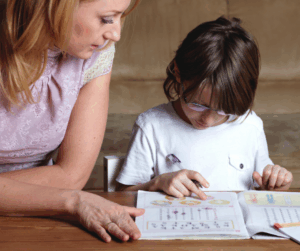 For many families, report card day can bring a mix of emotions including excitement, pride, worry, or even stress. Parents naturally want their children to succeed in school, and grades often feel like a direct reflection of that success. But when the marks on the page don’t match expectations, parents and kids can easily become frustrated.
For some children, poor grades can trigger fear at home. They may worry about being yelled at, physically punished, or ignored if they don’t measure up. These kinds of responses can create deep stress and cause kids to hide their report cards, disengage from school, or believe they are “not smart enough.”
It’s also important to keep developmental expectations in mind. A second grader struggling with reading, for example, is not “failing”, they are learning. Every child develops at their own pace, and a single grade doesn’t capture effort, progress, or personal strengths.
It’s important to remember that how we respond to report cards can shape not just our child’s attitude toward school, but also their overall sense of safety and self-worth. Harsh reactions, shaming, or withholding care can cause long-lasting harm. The good news? Report cards can actually be a chance to connect. To show your child that you’re on their team. To build resilience, celebrate effort, and remind them that learning is a journey not a race.
Instead of focusing only on what went wrong, parents can use report cards as a chance to encourage learning, growth, and open communication. Here are some practical strategies:
— Pause Before Reacting: Take a breath and process your own emotions before talking with your child. Report cards are information, not a verdict on your child’s worth or your parenting.
— Talk with Empathy and Curiosity: Ask gentle questions like, “How did you feel about your grades?” or “What was hardest this term?” Listening without judgment shows your child that their voice matters.
— Highlight Strengths and Effort: Point out positives, such as improved behavior, attendance, or effort. Remind your child that persistence and growth are more valuable than perfection.
— Set Realistic Expectations: Avoid comparing siblings or classmates. Celebrate small improvements and keep expectations age-appropriate. Remember, progress looks different for every child.
— Partner with Teachers: Teachers can provide insight into challenges and offer helpful resources. Working together sends your child the message that home and school are on the same team.
— Prioritize Wellbeing Over Grades: Sleep, nutrition, play, and downtime are just as critical for learning as homework. Encourage balance, and remind your child that grades don’t define their value.
If your child hides report cards, withdraws from conversations about school, or expresses fear around their performance, it may be a sign they are feeling unsafe or overwhelmed. In these moments, reassurance and patience can go a long way. If you feel unsure of how to respond, know that resources and support are available for families.
Every child faces challenges in school at some point. A disappointing report card does not mean failure, it means there’s room to grow and an opportunity to connect. By responding with patience and care, parents can help kids build confidence and resilience by creating safe, supportive environments where children know they are valued for who they are, not just for what’s on a piece of paper.
Need support? Visit our Ages and Stages webpage for tools and tips on parenting or reach out to local family support services if you’re feeling overwhelmed.